
Let’s get real.
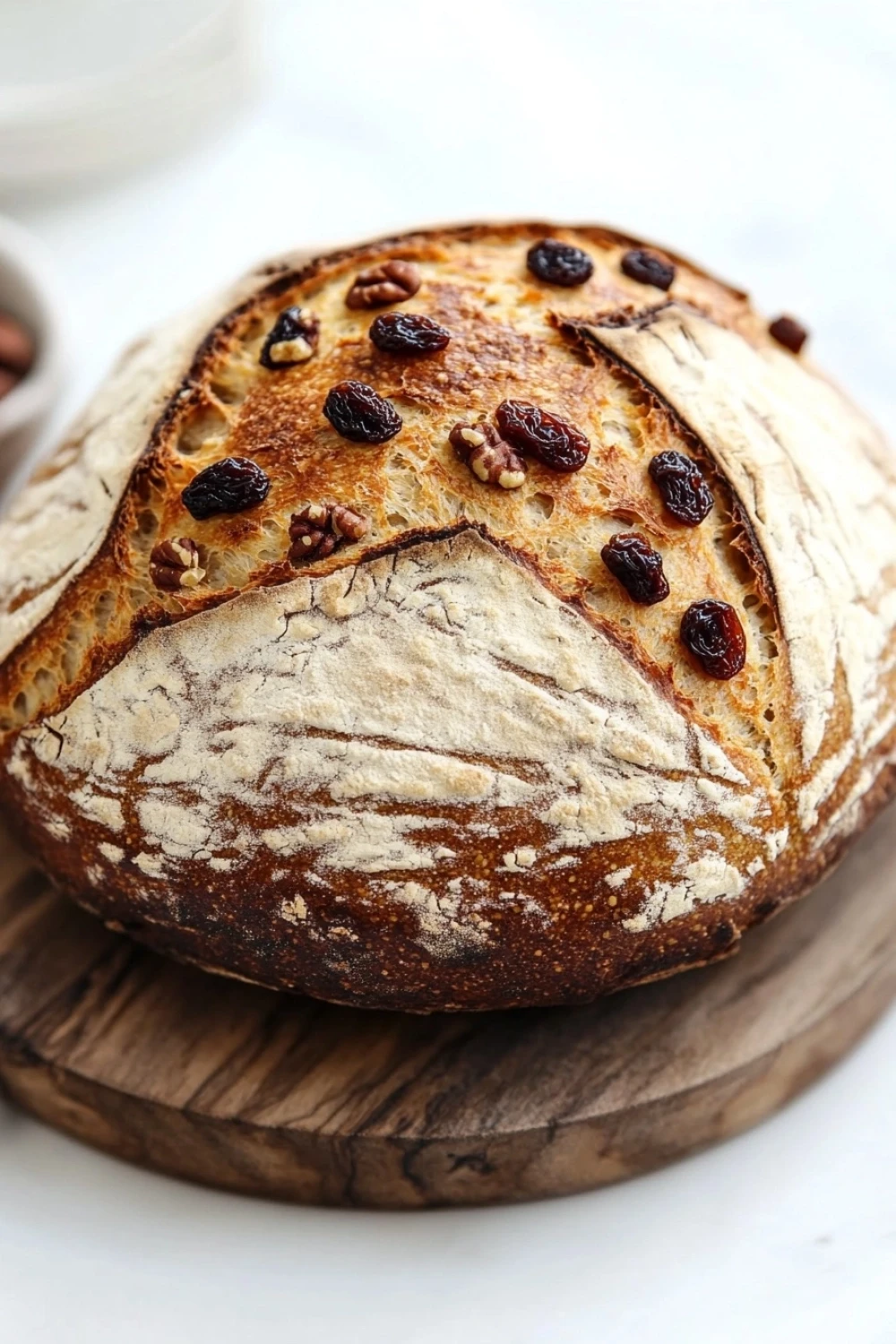
There’s something about bread with inclusions that hooks me every single time. It’s not just any loaf—it’s that rustic charm, the little bursts of sweet raisins and the unexpected crunch of walnuts that flip the script on plain yeast bread. I remember the first time I nailed this recipe—my kitchen smelled like a warm hug, and the dough was sticky and playful under my fingers, begging for a proper knead. No shortcuts here, just good old elbow grease and patience.
Think of this bread as a story baked into each slice. The yeast wakes up, bubbles dance, and the raisins sink in like hidden treasures amid the dough’s soft crumb. Those walnuts? They’re the surprise plot twist—adding texture and a slight earthiness that balances the sweetness perfectly. It’s bread, but with soul.
Ready to roll up your sleeves and get your hands doughy? Because this yeast bread with inclusions isn’t just baking—it’s an adventure in every bite.
If you’re looking for a cozy meal to pair with your yeast bread with inclusions, this savory chicken broccoli casserole recipe offers 100% non-dairy comfort that’s hard to beat.
Real-Life Perks of Yeast Bread with Raisin and Walnut Inclusions
- Perfect for kickstarting mornings—this bread pairs wonderfully with a smear of butter or your favorite jam, giving you a sweet and nutty jolt of energy.
- Snack attack savior: Keeps you away from vending machine junk when hunger pangs hit mid-afternoon, thanks to its satisfying chewy texture and hearty crunch.
- Great for gifting—homemade bread with a rustic, golden crust screams ‘I went the extra mile’ without saying a word.
- Flexible storage options mean you can batch bake on a Sunday, freeze slices, and enjoy fresh bread vibes on demand without the daily hassle.
- Kid-friendly ingredient list makes it a crowd-pleaser at family brunches, sneaking in walnuts and raisins where picky eaters least expect.
Yeast Bread with Raisin and Walnut Inclusions
- Total Time: 3 hours 15 minutes
- Yield: 12 slices 1x
Description
A delicious homemade yeast bread featuring sweet raisins and crunchy walnuts, perfect for breakfast or as a snack.
Ingredients
3 1/2 cups (420 grams) all-purpose flour
2 1/4 teaspoons (7 grams) active dry yeast
1/4 cup (50 grams) granulated sugar
1 teaspoon (6 grams) salt
1 cup (240 ml) warm water (110°F/43°C)
1/4 cup (60 ml) whole milk, warmed
2 tablespoons (30 grams) unsalted butter, melted
1 large egg, room temperature
3/4 cup (110 grams) raisins
3/4 cup (90 grams) walnuts, chopped
Instructions
In a small bowl, combine the warm water and active dry yeast. Stir gently and let sit for 5 to 10 minutes until foamy.
In a large mixing bowl, whisk together the all-purpose flour, granulated sugar, and salt.
In a separate bowl, whisk the warm milk, melted butter, and egg until well combined.
Pour the yeast mixture and the milk mixture into the dry ingredients. Stir with a wooden spoon or dough hook attachment until a rough dough forms.
Turn the dough onto a lightly floured surface and knead for about 8 minutes until smooth and elastic. Alternatively, knead with a stand mixer fitted with a dough hook on medium speed for 6 minutes.
Flatten the dough slightly and sprinkle the raisins and chopped walnuts evenly over the surface. Fold the dough over the inclusions and knead gently for 2 to 3 minutes until the raisins and walnuts are evenly distributed throughout the dough.
Place the dough in a lightly greased bowl, cover it with a clean kitchen towel or plastic wrap, and let it rise in a warm, draft-free area for 1 to 1 1/2 hours, or until doubled in size.
Punch down the dough to release the air. Shape it into a loaf and place it in a greased 9×5-inch (23×13 cm) loaf pan.
Cover the loaf pan loosely and let the dough rise again for 30 to 45 minutes until it rises about 1 inch above the rim of the pan.
Preheat the oven to 350°F (175°C).
Bake the bread for 30 to 35 minutes, or until the top is golden brown and the bread sounds hollow when tapped.
Remove the bread from the oven and let it cool in the pan for 10 minutes.
Transfer the bread to a wire rack to cool completely before slicing.
- Prep Time: 20 minutes
- Cook Time: 35 minutes
Explore more:
Breakfast Recipes
Nailing Yeast Bread with Raisin and Walnut Goodness
The Raisin and Walnut Tango: Why Texture Matters
Ever bitten into a slice of bread where the raisins are just sad raisins—dry, flavorless, barely hanging on? That’s a buzzkill. The walnuts? They need that satisfyingly crunchy snap. Here’s the scoop: Raisins and walnuts aren’t just tossed in for show. The raisins bring pockets of sweetness that contrast the dough’s mild tang, while walnuts provide that earthy crunch. But you can’t just dump them in haphazardly. After the first knead, you want to fold in your inclusions gently—too much roughhousing, and the raisins get smashed, walnuts pulverized, and you end up with a gloopy mess. I always think of it like a delicate handshake—firm but respectful.
Pro tip: If your raisins are on the dry side, soak ’em in warm water or even a splash of rum for 10 minutes before use. It plumps them right up, so they don’t suck moisture from your dough and make it tough.
Swap It Like a Pro: Ingredient Hacks That Work
Not got walnuts? No biggie. Pecans or almonds are ace substitutes—they bring that buttery crunch with a twist. And if you’re nut-allergic or just nut-averse, toasted sunflower seeds or pumpkin seeds give you a similar texture punch without the nutty aftertaste.
Milk is a bit of a game-changer here—it tenderizes and gives a slight sweetness and softness to the crumb. Skim milk? Sure, but expect a slightly less rich loaf. Dairy-free? Swap the milk for coconut milk or almond milk warmed to the same temp. Butter is your fat hero for richness and crumb softness; olive oil works in a pinch but shifts the flavor profile quite a bit.
One last swap nugget: If you want a more rustic loaf, sub half the all-purpose flour with whole wheat flour. Your crumb gets denser and more flavorful, but the yeast might need a little extra time to work its magic.
The Rise and Shine Fix-it Guide: Handling Dough Drama
Here’s a dough drama I’ve been through: dough refusing to rise. It’s the bane of every bread maker’s existence. Your yeast is your little worker bee, but they’re sensitive AF. Water too hot? Yeast bites the dust. Too cold? They just nap on you. Aim for that sweet spot—around 110°F (43°C). Use a thermometer or feel with your wrist like you’re testing a baby’s bath water.
Also, no drafty windowsills for your dough’s first nap. Cover it with a towel or plastic wrap and set it somewhere cozy—maybe atop your fridge or inside an oven with just the light on.
And if your dough is sticky or wet and won’t hold together, resist dumping in extra flour willy-nilly. Add flour tablespoon by tablespoon and knead in slowly. Think of it as coaxing the dough to behave, not smacking it into submission.
Last trick: if your bread’s crust is browning too fast but the inside’s still doughy, slap some foil on top halfway through baking. It’s the classic tent move. Keeps the outside from burning while the inside finishes its bake.
Yeast Bread with Raisin and Walnut Inclusions FAQ
- Can I use instant yeast instead of active dry yeast?
- Yes, you can swap in instant yeast. Just reduce the warm water slightly since instant yeast doesn’t need to be proofed, and mix it directly with the flour and dry ingredients. Saves a bit of time without messing with the rise.
- Why knead the raisins and walnuts into the dough instead of mixing them straight away?
- Great question! Adding the inclusions after the initial knead keeps them from breaking down too much or turning mushy. It helps them distribute evenly without crushing, so you get that perfect contrast: chewy raisins and crunchy walnuts in every bite. Trust me, the dough’s texture benefits plenty from this step.
- How do I know when the dough has risen enough?
- Look for the dough to double in size—that’s your green light. It usually takes about 1 to 1 ½ hours in a warm spot. If you poke it gently and the indentation springs back slowly, you’re good to roll. Rushing this part is a rookie mistake; patience makes the crumb sing.
- Can I add other nuts or dried fruits?
- Absolutely. Pecans, almonds, or even dried cherries work great. Just chop nuts roughly the same size as walnuts to keep the texture balanced. Swap raisins with dried cranberries if you’re feeling adventurous. Just don’t overload the dough or it won’t rise properly.
- Should I slice the bread warm or wait until it cools?
- Wait until it’s fully cooled. Slicing warm bread is a classic pitfall—your knife will smoosh the crumb, turning it gummy. Cooling lets the steam escape and sets the structure. I know it’s tempting, but trust me here.