
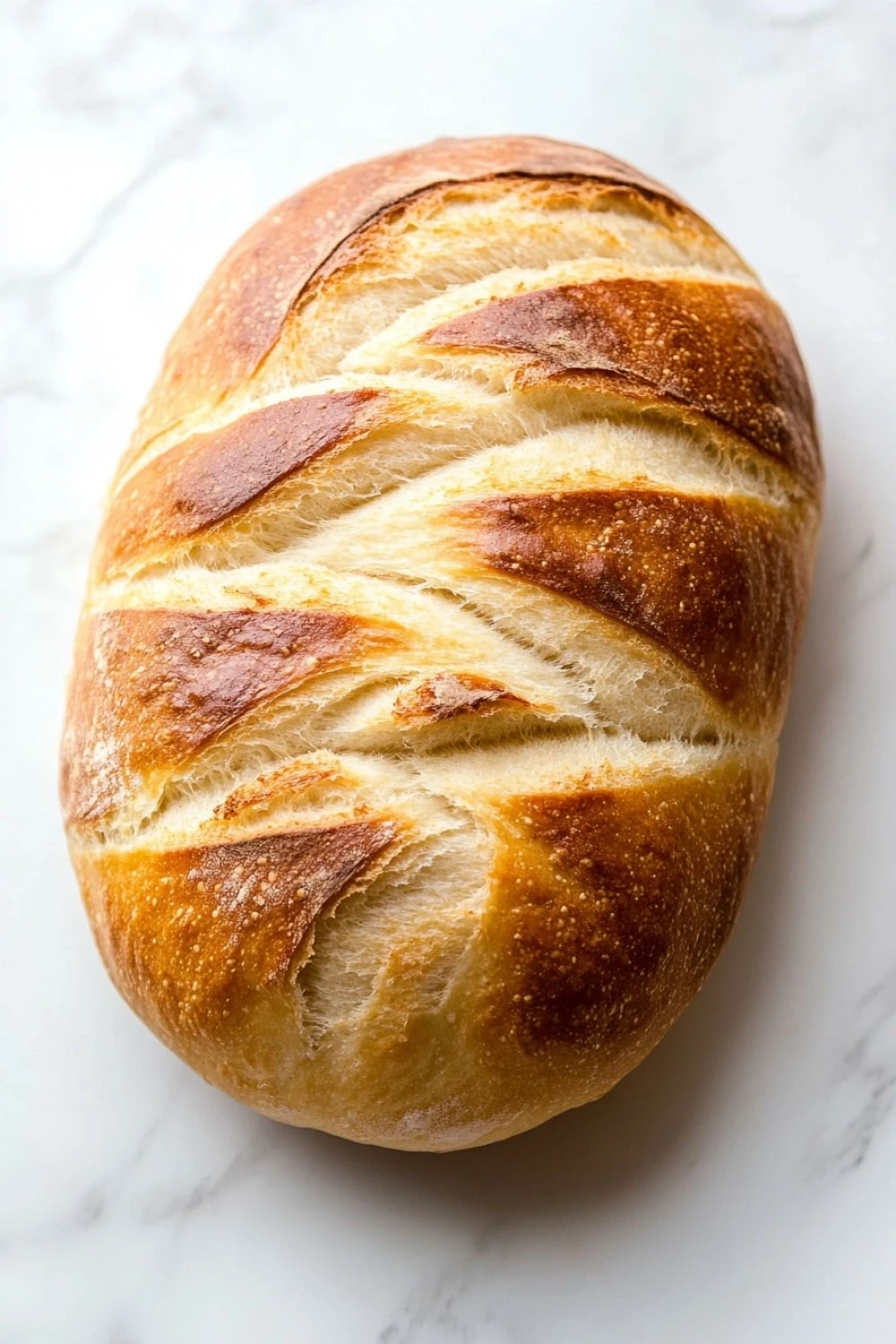
Soft bread? Yes, please.
There’s something downright magical about a loaf that’s pillowy and tender, the kind that practically begs to be used for a sandwich or just slathered with butter for toast. That’s exactly what this soft yeast bread recipe delivers—a loaf with a crumb so gentle, it feels like a cloud in your hands. No fancy gadgets or rare ingredients, just simple pantry staples and a few patient moments.
Watch the yeast bloom—bubbles rising like tiny champagne flutes at a celebration. That’s when you know the magic is working. I remember the first time I nailed this dough; it was like catching lightning in a bottle. The smell alone made me want to dive in before it even cooled.
Keep your hands ready to knead, and your spirit ready to enjoy. This bread won’t just sit pretty on the counter—it’s made for everyday heroism in the kitchen.
If you’re looking to bake a delicious yeast bread soft enough for any meal, check out our Gluten-Free Sourdough Discard Sandwich Bread Recipe You’ll Crave for a perfect treat.
Real Life Perks of Baking This Soft Yeast Bread
- Wake up to fresh bread aroma—there’s no better alarm clock. Trust me, that yeasty, warm scent beats any coffee shop line.
- Sandwich game on point. This loaf’s soft crumb holds up without turning into a soggy mess, even with juicy fillings.
- Toast it thick or thin—perfect for lazy weekend brunches or quick weekday breakfasts. Crispy edges with a fluffy center? Yes, please.
- Simple ingredients, zero fancy machinery. If you can stir and knead, you’re already halfway to bread boss status. This recipe keeps it real.
- Freeze your extras and avoid bread bloat. Slice, stash, and toast straight from the freezer. No stale bread blues here, just grab-and-go goodness.

Soft Yeast Bread
- Total Time: 1 hour 45 minutes
- Yield: 12 slices 1x
Description
This soft yeast bread recipe yields a tender, fluffy loaf perfect for sandwiches or toast. Made with simple ingredients and a straightforward method, it’s a great homemade bread for everyday use.
Ingredients
1 cup warm water (110°F/43°C)
2 1/4 teaspoons active dry yeast (1 packet)
2 tablespoons granulated sugar
3 cups all-purpose flour
1 teaspoon salt
2 tablespoons unsalted butter, melted
Instructions
In a small bowl, combine warm water, yeast, and sugar. Stir gently and let sit for 5-10 minutes until the mixture is foamy.
In a large mixing bowl, whisk together the flour and salt.
Pour the yeast mixture and melted butter into the flour mixture. Stir with a wooden spoon until a dough forms.
Turn the dough onto a lightly floured surface and knead for about 8-10 minutes until smooth and elastic.
Place the dough in a greased bowl, cover with a clean kitchen towel or plastic wrap, and let it rise in a warm place for about 1 hour or until doubled in size.
Punch down the dough to release the air. Shape it into a loaf and place it into a greased 9×5-inch loaf pan.
Cover the loaf pan with a towel and let the dough rise again for 30-40 minutes until it has risen about 1 inch above the pan.
Preheat the oven to 350°F (175°C).
Bake the bread for 25-30 minutes until the top is golden brown and the loaf sounds hollow when tapped.
Remove the bread from the oven and cool in the pan for 10 minutes. Then transfer to a wire rack to cool completely before slicing.
- Prep Time: 15 minutes
- Cook Time: 30 minutes
Explore more:
Breakfast Recipes
Mastering Soft Yeast Bread: Tips, Tricks, and Fixes
The Magic Behind That Soft, Pillowy Crumb
Ever wonder why some homemade breads come out dense and tough, while others seem to float on air? The secret isn’t just in the ingredients—it’s in how you treat the dough. In this recipe, warm water (around 110°F) wakes up the yeast, coaxing it to bubble and foam—a little yeast pep talk that jump-starts fermentation. Sugar isn’t just for sweetness; it’s yeast’s favorite snack, speeding up the rise and giving you that tender crumb. Melted butter folds in richness and softness—fat is the dough’s best friend, weakening gluten strands just enough to keep your bread from turning into a shoe sole. And don’t skimp on the kneading. Those 8-10 minutes working the dough build a strong gluten network, like training a marathon runner for endurance—too little, and the bread collapses; too much, and it’s chewy. Patience is your ally here. Two rises—first to puff up the dough, second to perfect the final shape—teach the yeast to slow dance, develop flavor, and create that irresistible bounce when you press the crust.
Quick Fixes When Your Bread Goes Sideways
Too dense? Your yeast might have been napping—or worse, dressed in hot water that killed it. Always test your water temperature; think warm bath, not scorching hot tub. If your dough won’t rise, it’s not you, it might be the yeast’s bad day—try a new packet. Did your bread come out flat as a pancake? That second rise is your bread’s encore—don’t rush it. Also, punching down too roughly can knock out all the air, leaving you disappointed. Crust too hard? A quick hack: cover the bread with foil halfway through baking or brush the crust with melted butter right out of the oven—instant softening without losing that golden glow. Got a gummy center? Bake a few minutes more, or check your oven’s accuracy with a thermometer; home ovens can be unpredictable beasts.
Ingredient Swaps That Keep It Soft and Snappy
Wanna shake up the recipe without wrecking the softness? Swap all-purpose flour for bread flour if you want a bit more chew and structure—it’s got more gluten, so your crumb holds together better. No butter? Olive oil or coconut oil can slide in, adding a different dimension of flavor and tenderness—just keep it liquid to mix evenly. Sugar’s role is crucial, but honey or maple syrup can moonlight here, tweaking sweetness and browning. Craving whole wheat? Mix half whole wheat with all-purpose to keep that soft texture without turning into a brick. Lastly, for a dairy-free twist, swap melted butter with a plant-based spread or avocado oil, but remember—fat’s fat, so keep the quantity steady to avoid dry bread. Experimentation’s the name of the game, but stick close to these swaps to avoid turning your loaf into a science experiment gone rogue.
Soft Yeast Bread FAQs
Can I use instant yeast instead?
Yes, you can. Instant yeast skips the proofing step, so you can mix it directly with the flour. Just cut the water proofing time and watch your dough rise faster than you expect.
Why is my bread dense and heavy?
Dense bread usually means the dough wasn’t kneaded enough or didn’t rise long enough. Yeast needs that TLC—time to ferment and develop gluten. Also, water temperature is key; too hot kills yeast, too cold slows it down. Next time, treat your dough like a diva—gentle hands and patience pay off.
Can I substitute whole wheat flour?
Absolutely. Swap up to half the all-purpose flour with whole wheat. Your loaf will be heartier and a bit denser. Bonus: a nuttier flavor profile that stands up well to savory sandwich fillings.
How do I get a shiny crust?
Brush the top with melted butter right after baking. It adds a subtle gloss and keeps the crust soft. Alternatively, an egg wash before baking ups the shine factor but changes the texture—your call.
Is it better to bake in a glass or metal pan?
Metal pans conduct heat more efficiently, yielding a crisper crust and better rise. Glass pans are slower to heat, which can cause a pale crust and longer bake times—something I learned the hard way on my first loaf.