
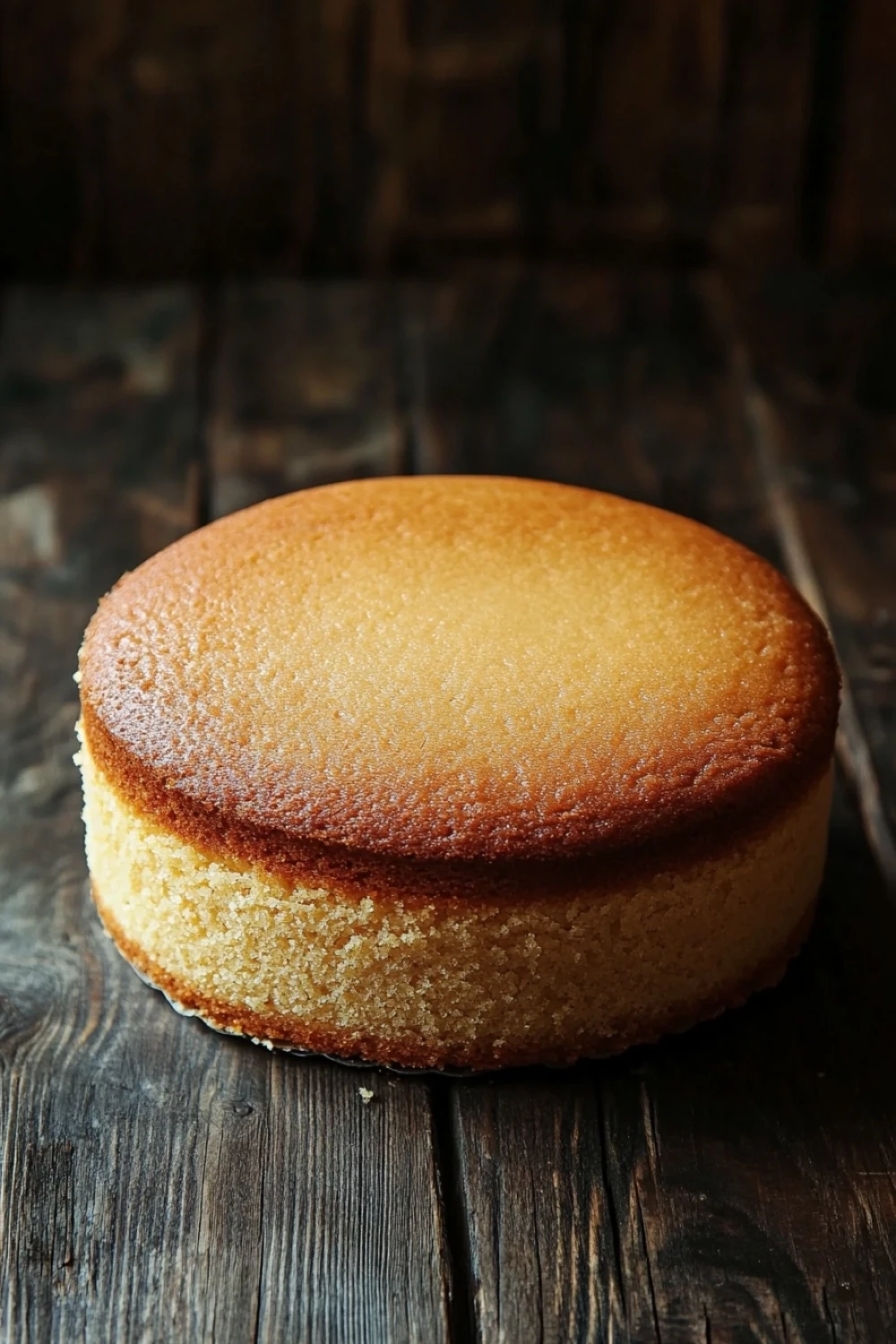
Craving cake? Let’s talk about vanilla—vegan style.
There’s something magical about the moment when you whisk together ingredients that seem so simple but come together to create a moist, fluffy cake that doesn’t rely on eggs or dairy. I remember the first time I made a vegan vanilla cake—it was a game changer. No clunky replacements, just pure, honest baking that hits every note of that classic vanilla flavor.
This recipe skips the fuss and gets right to the good stuff. Almond milk and apple cider vinegar team up to give the batter a slight tang that balances the sweetness. Plus, the texture? Spot on. Not a crumb out of place. It’s the kind of cake you want to slice thick, no regrets, and share with anyone who doubts vegan baking can pack a punch.
Ready to step into the kitchen and whip up a cake that’s as kind to your taste buds as it is to the planet? Let’s dive in—because this vanilla cake doesn’t just taste good, it feels right.
If you’re looking for more festive dessert ideas, check out our Cranberry Chiffon Pie: A Delightful Holiday Treat! for a perfect holiday indulgence.
Why You’ll Keep Coming Back to This Vegan Vanilla Cake
- Whips up fast — just 15 minutes prep time means you can throw this together even on a weeknight when you’re running on fumes.
- Egg-free and dairy-free, making it a slam dunk for anyone dodging common allergens or living that plant-based life.
- The texture? Moist and fluffy without feeling heavy or greasy — that’s the magic of the apple cider vinegar and almond milk combo working behind the scenes.
- Keeps well at room temp for a couple of days, so no stress if you don’t finish it all in one go.
- Freezer-friendly for the win — stash some away for a spontaneous treat, no last-minute baking panic necessary.
Vegan Vanilla Cake
- Total Time: 45 minutes
- Yield: 8 1x
Description
A moist and fluffy vegan vanilla cake made without eggs or dairy, perfect for any occasion.
Ingredients
2 cups (250 grams) all-purpose flour
1 cup (200 grams) granulated sugar
1 tablespoon baking powder
1/2 teaspoon baking soda
1/4 teaspoon salt
1 cup (240 ml) unsweetened almond milk
1/2 cup (120 ml) vegetable oil
1 tablespoon apple cider vinegar
2 teaspoons pure vanilla extract
Instructions
Preheat the oven to 350°F (175°C). Lightly grease an 8-inch (20 cm) round cake pan and line the bottom with parchment paper.
In a large mixing bowl, whisk together the all-purpose flour, granulated sugar, baking powder, baking soda, and salt until well combined.
In a separate bowl, combine the unsweetened almond milk, vegetable oil, apple cider vinegar, and pure vanilla extract.
Pour the wet ingredients into the dry ingredients and stir gently with a spatula until just combined. Do not overmix; the batter should be smooth but slightly thick.
Pour the batter into the prepared cake pan and smooth the top with a spatula.
Bake in the preheated oven for 28 to 30 minutes, or until a toothpick inserted into the center comes out clean.
Remove the cake from the oven and allow it to cool in the pan for 10 minutes.
Run a knife around the edges to loosen the cake, then invert it onto a wire rack to cool completely before frosting or serving.
- Prep Time: 15 minutes
- Cook Time: 30 minutes
Explore more:
Dessert Recipes
Mastering Your Vegan Vanilla Cake
The Magic Behind the Moisture: Why Oil and Vinegar Matter
Ever wonder why vegan cakes sometimes turn out dry or crumbly? The trick lies in the combo of oil and apple cider vinegar. Oil keeps the crumb tender and moist—no eggs to hold fat, so this is your go-to. Vinegar? It’s the sneaky agent that reacts with baking soda to create bubbles, giving you lift and fluffy lightness without eggs. Think of it as your plant-powered leavening duo. I once skipped the vinegar—big mistake. The cake was flat and, frankly, sad. Lesson learned: don’t skimp on these. They’re the backbone of your vegan bake’s structure and softness.
The Mix-and-Match Ingredient Dance: Swaps That Work
Can’t find almond milk? No sweat. Soy, oat, or even coconut milk will play nicely here. Each brings a subtle flavor twist—coconut adds a hint of tropical vibe, soy keeps it neutral, and oat gives that slightly sweet note. Need to ditch vegetable oil? Melted coconut oil is your next best wingman, though it’ll firm up the crumb a tad once cool. Sugar wise, light brown sugar can add a bit of molasses depth, changing the mood of the cake without breaking the bank. But heads up—overenthusiastic swapping can tip your batter’s balance, so keep it close to the original textures and densities. Baking is like jazz: improvise, but know the tune.
When the Cake Plays Hard to Get: Troubleshooting Common Flops
Dry? Dense? Sinking middle? These cake gremlins have haunted many a vegan baker. Here’s the lowdown:
- Dry crumb: Overbaking is the usual suspect. Keep that oven door shut—each peek steals precious heat.
- Dense texture: Overmixing activates gluten too much. Mix just until flour disappears; no more.
- Sunken center: Underbaking or too much leavening. Use fresh baking powder/soda; test doneness with a toothpick.
I once thought my mixer was the culprit—turned out I was just being a batter tyrant, stirring like it owed me money. Patience, friends. Your cake owes you fluff, not toughness.
Vegan Vanilla Cake FAQ
Is this cake really egg-free?
Absolutely. This whole recipe skips eggs and dairy—apple cider vinegar and baking soda team up to give it that rise and fluffiness without any animal products.
Can I swap almond milk for something else?
Yeah, you can. Oat milk, soy milk, or even coconut milk work fine here. Just keep it unsweetened to avoid throwing off the sugar balance. I’ve tried oat milk myself, and it keeps the crumb light and tender.
How do I know when it’s done baking?
Simple test: stick a toothpick or cake tester into the middle. If it comes out clean or with just a few crumbs clinging on, you’re golden. Overbaking means a dry cake—a rookie move I’ve learned to avoid the hard way.
Can I use all-purpose gluten-free flour?
Yes and no. Some gluten-free flours will work, but results vary wildly. You might need to add xanthan gum or another binder. If you’re new to gluten-free baking, I’d recommend a blend labeled “1-to-1” for best success.
Will the cake stay moist the next day?
Yes. Store it airtight at room temp if you plan to eat it within 2 days. Beyond that, freeze it—wrapped up tight. When thawed, the texture holds up surprisingly well, almost like fresh. Trust me, I’ve done this dance more times than I can count.