
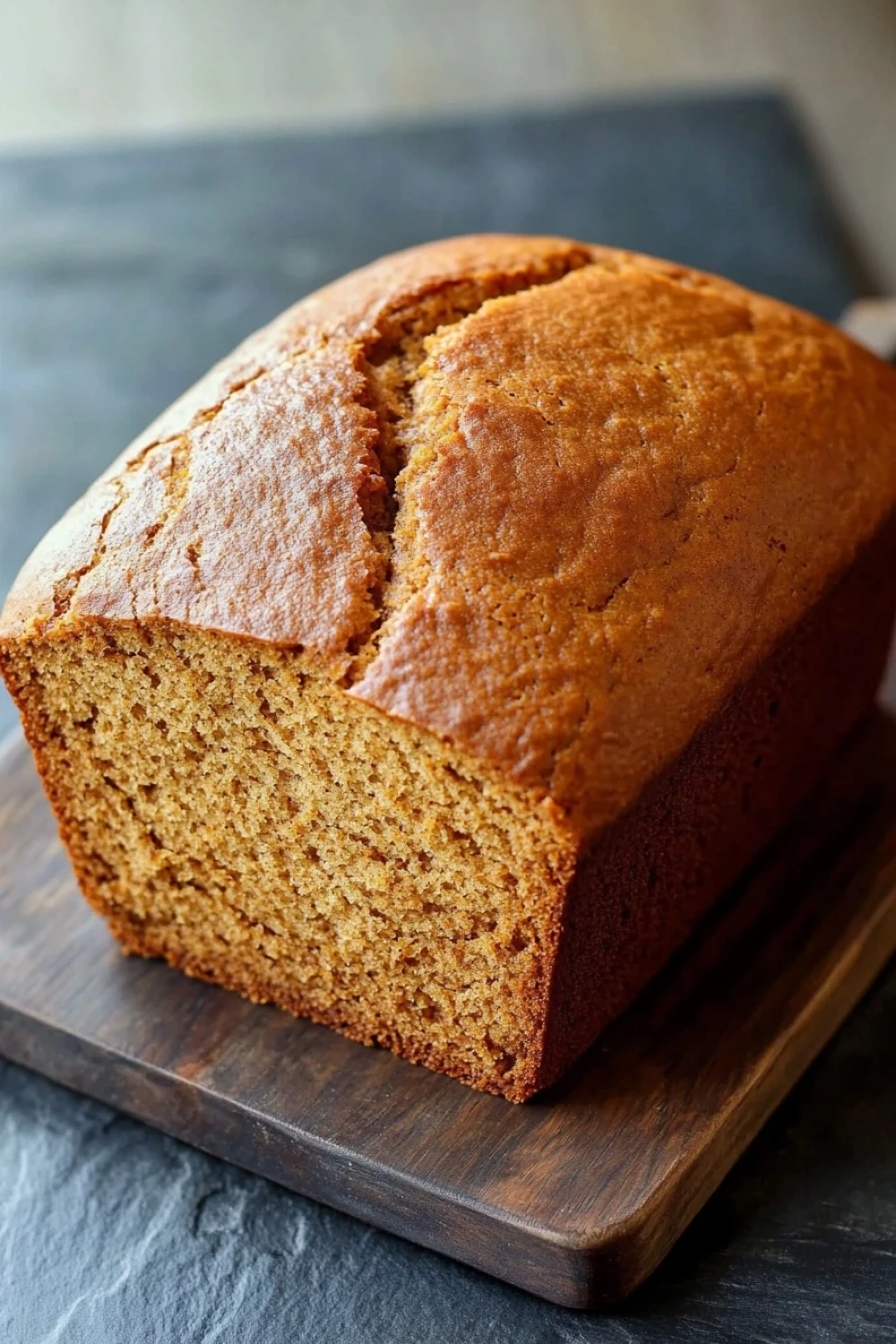
Altitude changes everything.
At 7,000 feet, the air thins, and baking becomes a high-stakes game of chemistry. My first attempt at pumpkin bread here was a total flop—dry as dust and flatter than a pancake. High altitude baking isn’t just about tossing ingredients together; it’s a dance with rising agents, moisture, and oven temperature that demands respect.
This pumpkin bread recipe? It’s my tried-and-true fix for those finicky mountain ovens. The balance of spices—cinnamon, nutmeg, clove, and ginger—wrap around that tender crumb like a cozy autumn sweater. The trick? Adjusting flour and leaveners to keep the loaf from outpacing itself and then crashing down like a souffle gone south.
Whether you’re a seasoned baker or a weekend warrior, this loaf will keep you coming back, knife in hand, for just one more slice. Let’s get that oven humming.
If you’re baking pumpkin bread high altitude, check out our guide on How to Make Pumpkin Bread with Cream Cheese Swirl That Stuns for perfect results every time.
Why This High Altitude Pumpkin Bread Rocks Your Kitchen
- Never face a sunken loaf again—this recipe nails the rise every single time, even when baking miles above sea level.
- Moistness that sticks around—thanks to the perfect balance of pumpkin puree and buttermilk, each slice stays tender instead of drying out fast.
- Spice blend that hits just right; not overpowering, but enough to get that cozy, nostalgic fall vibe going.
- Simple ingredients you probably already have—no hunting for specialty stuff or weird shortcuts here.
- Prepped and in the oven within 15 minutes, so you can get your fix without the usual baking marathon.
High Altitude Pumpkin Bread
- Total Time: 1 hour 10 minutes
- Yield: 8 1x
Description
A moist and flavorful pumpkin bread recipe specially adapted for high altitude baking to ensure perfect rise and texture every time.
Ingredients
1 3/4 cups (220 grams) all-purpose flour
1 teaspoon baking powder
1/2 teaspoon baking soda
1/2 teaspoon salt
1 1/2 teaspoons ground cinnamon
1/2 teaspoon ground nutmeg
1/4 teaspoon ground cloves
1/4 teaspoon ground ginger
1/2 cup (100 grams) granulated sugar
1/2 cup (110 grams) packed light brown sugar
1/2 cup (120 ml) vegetable oil
2 large eggs
1 cup (240 ml) canned pure pumpkin puree
1/4 cup (60 ml) buttermilk
1 teaspoon vanilla extract
Instructions
Preheat the oven to 350°F (175°C). Lightly grease and flour a 9×5-inch loaf pan.
In a medium bowl, whisk together the flour, baking powder, baking soda, salt, cinnamon, nutmeg, cloves, and ginger until well combined.
In a large bowl, whisk the granulated sugar, brown sugar, and vegetable oil until smooth.
Add the eggs one at a time to the sugar and oil mixture, beating well after each addition.
Stir in the pumpkin puree, buttermilk, and vanilla extract until fully incorporated.
Gradually add the dry ingredients to the wet ingredients, folding gently until just combined. Do not overmix.
Pour the batter into the prepared loaf pan and smooth the top with a spatula.
Bake for 50 to 60 minutes, or until a toothpick inserted into the center comes out clean.
Remove the bread from the oven and allow it to cool in the pan for 15 minutes.
Transfer the bread to a wire rack and cool completely before slicing.
- Prep Time: 15 minutes
- Cook Time: 55 minutes
Explore more:
Breakfast Recipes
Nailing High Altitude Pumpkin Bread Every Time
The Ingredients: When Altitude Calls for a Swap
High altitude baking ain’t the same game—flour, leaveners, moisture, they all play different ball up there. Flour tends to dry out faster, so I often bump up the moisture a notch—here, that buttermilk is your MVP. Don’t skimp on it; it’s like a moisture magnet keeping your loaf from turning into a desert. And sugar? It’s not just sweet talk. At altitude, sugar acts like a moisture anchor too, so don’t slash it drastically. Instead, stick with the dual sugars—granulated and brown—to keep that tender crumb and a little chew, too.
For leaveners, this recipe’s smart—baking powder and baking soda combo with a pinch of salt, spices, and acid from buttermilk works magic. But if you find your bread climbing too fast and then crashing down like a lead balloon, dialing back the baking powder by a quarter teaspoon helps keep it steady. Keep in mind—too much lift and your bread’s gonna flop hard.
Why the Technique Matters More Than You Think
Mixing is where many bakers go sideways. Overmix, and you’re asking for tough, rubbery bread—no joke. I fold the dry into wet gently—like whispering secrets—not pounding a drum. This keeps gluten from throwing a tantrum, which is crucial when the air’s thin and your batter’s prone to drying out or collapsing.
Notice the eggs go in one at a time? That’s not just ritual; it’s about emulsifying fats and liquids evenly to trap air pockets—your bread’s little balloons. Buttermilk and pumpkin puree come next, each bringing moisture and acidity that reacts with your leaveners, controlling the crumb’s texture and flavor complexity. And don’t rush the bake—oven hot at 350°F, but watch that timer. Peak altitude means slightly shorter bake times—start checking 5 minutes early to avoid drying your loaf out.
Fixing Flops: A Survival Guide for High Altitude Fails
So you baked your bread and it’s dense, dry, or worse—sunken center? Don’t toss it yet.
- Dense or heavy bread: Try adding an extra egg or increasing buttermilk by a tablespoon next round—more moisture and structure support.
- Sunken top or collapse: Your batter might have over-leavened or been overmixed. Cut leavening agents slightly and fold with kid gloves.
- Dry crumb: Oven too hot? Dial down by 10-15°F, and add a splash more buttermilk or pumpkin puree.
Remember, high altitude baking is a dance—sometimes you lead, sometimes you follow. Adapt and tweak with patience, and soon enough, you’ll have that pumpkin bread rising like a champ—not a flop.
High Altitude Pumpkin Bread FAQs
- Can I use fresh pumpkin instead of canned?
- Absolutely! Just roast and puree your fresh pumpkin. Make sure it’s nicely drained to avoid adding too much moisture, which can throw off the texture—especially at high altitudes.
- Do I really need to adjust ingredients for high altitude?
- Yes. At elevations above 3,000 feet, the lower air pressure causes baked goods to rise faster and then collapse. This recipe tweaks leaveners and liquids so your bread stays moist without turning into a sad, flat flop.
- How do I know when the bread is done?
- Grab a toothpick and jab it right in the center. If it comes out clean or with just a few crumbs, you’re good to go. Sometimes the top looks done before the inside is fully cooked, so don’t trust the color alone.
- Can I substitute oil with butter?
- Yes, but keep in mind butter has water and milk solids, which can impact the texture and rise at high altitude. If you swap, try melting it first and maybe shave a tablespoon or two off the buttermilk to compensate.
- Will this bread stay fresh long?
- Not really beyond 3 days at room temp. If you want to keep it longer, wrap it tight and freeze it. Thaw slowly at room temp to keep it from turning rubbery.