
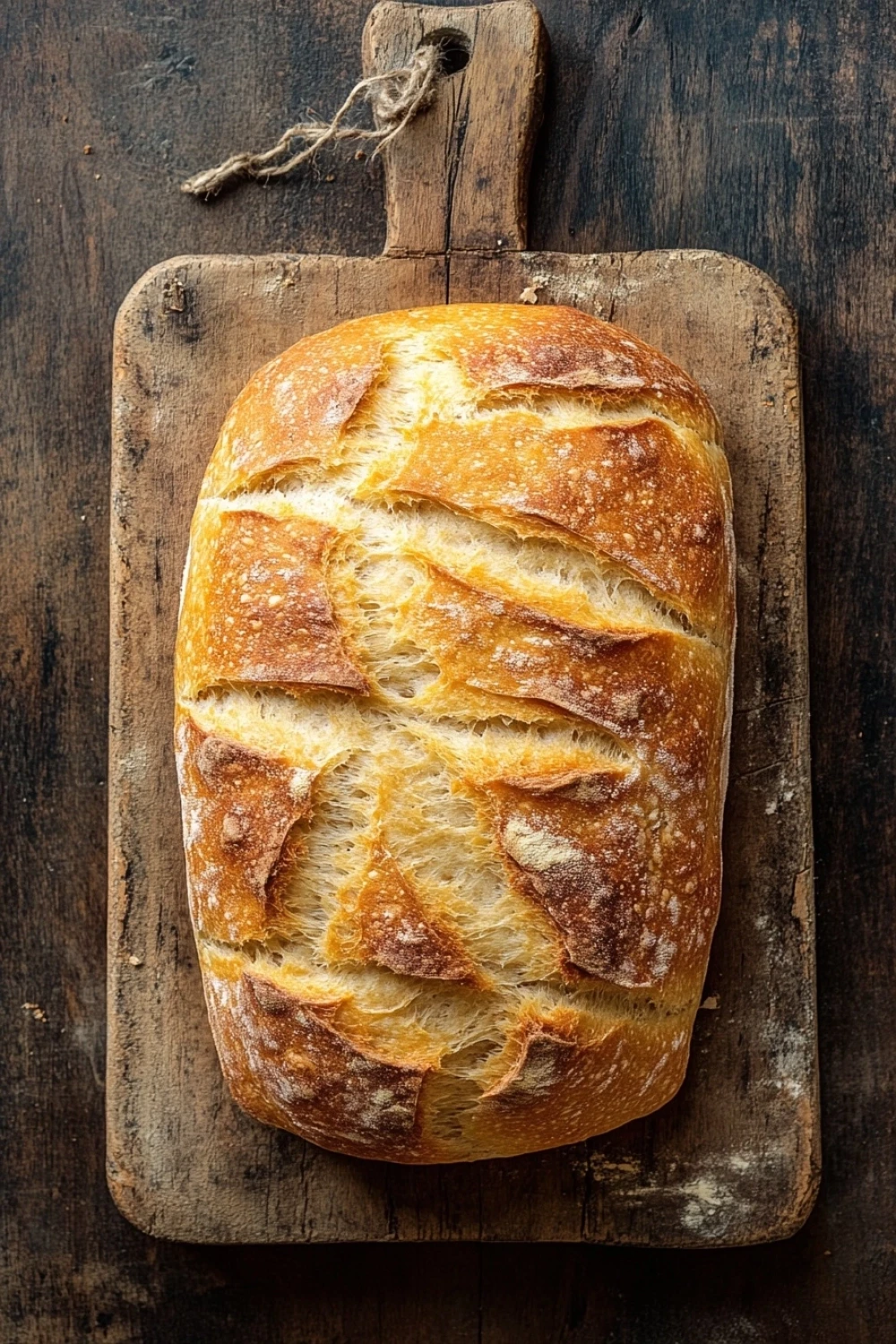
Hands down—there’s nothing quite like fresh bread baking in the oven.
That aroma, that crackling crust forming, that moment when the loaf cools just enough to slice—pure kitchen magic. I’ve always found yeast to be the heartthrob of bread making, and pairing it with kefir adds a tangy twist that keeps the crumb irresistibly moist and tender. It’s like the dough’s got a little secret weapon, bubbling away beneath the surface.
Mixing yeast and kefir feels almost rebellious, like breaking the usual bread rules. The warm water wakes the yeast up gently, coaxing it into a lively foam. Then the creamy kefir and honey swoop in, balancing sharpness with a touch of sweetness. As I knead, the dough transforms—sticky, elastic, whispering promises of crusty perfection.
Make no mistake—this bread isn’t just for toast. It’s a versatile loaf, ideal for stacked sandwiches or simply smeared with butter on a lazy Sunday morning. The crust browns evenly, golden and inviting, while the inside stays soft with just the right tang to keep you coming back for more.
If you’re interested in unique bread recipes, check out our guide on How to Make Sourdough Sandwich Bread Without Yeast at Home for a delicious twist on kefir bread with yeast.
Real Life Perks of Baking Kefir Bread with Yeast
- That tangy punch from kefir means your bread isn’t just tasty—it’s loaded with probiotics to keep your gut game strong.
- Easy prep that fits into your crazy schedule: just mix, knead, and rise. No fancy gear, no fuss.
- Soft crumb, perfect for sandwiches that don’t fall apart when loaded with your favorite fixings—not your average loaf.
- Making your own bread means you dodge all those mystery preservatives lurking in store-bought versions. Fresh is always better.
- Freeze slices ahead of time and pull ‘em out for quick toast or impromptu sammies. Bread prep that’s got your back during the week.

Kefir Bread with Yeast
- Total Time: 50 minutes
- Yield: 1 loaf (about 12 slices) 1x
Description
A soft and tangy kefir bread made with yeast for a perfect rise and a delightful flavor. This homemade bread is easy to prepare and great for sandwiches or toast.
Ingredients
2 1/4 teaspoons active dry yeast (1 packet)
1/4 cup warm water (about 110°F / 43°C)
1 cup plain kefir, room temperature
2 tablespoons honey
3 cups all-purpose flour
1 teaspoon salt
2 tablespoons unsalted butter, melted
Instructions
In a small bowl, combine the warm water and active dry yeast. Stir gently and let it sit for 5 to 10 minutes until the mixture is foamy.
In a large mixing bowl, whisk together the kefir and honey until combined.
Add the foamy yeast mixture to the kefir mixture and stir to combine.
Add 2 1/2 cups of the flour and the salt to the wet ingredients. Stir with a wooden spoon or dough hook until a sticky dough forms.
Gradually add the remaining 1/2 cup flour, a little at a time, kneading the dough either by hand on a floured surface or with a mixer fitted with a dough hook. Knead for about 8 to 10 minutes until the dough is smooth and elastic but still slightly tacky.
Lightly grease a large bowl with 1 tablespoon of the melted butter. Place the dough in the bowl and turn to coat it with butter.
Cover the bowl with a clean kitchen towel or plastic wrap and let the dough rise in a warm, draft-free place for about 1 hour or until doubled in size.
Preheat the oven to 375°F (190°C).
Punch down the risen dough to release the air. Shape it into a loaf and place it into a greased 9×5-inch loaf pan.
Brush the top of the dough with the remaining 1 tablespoon of melted butter.
Cover the loaf pan loosely with a kitchen towel and let the dough rise again for 20 to 30 minutes until it has risen slightly above the edge of the pan.
Bake the bread in the preheated oven for 30 to 35 minutes, or until the top is golden brown and the bread sounds hollow when tapped.
Remove the bread from the oven and let it cool in the pan for 10 minutes. Then transfer it to a wire rack to cool completely before slicing.
- Prep Time: 15 minutes
- Cook Time: 35 minutes
Explore more:
Breakfast Recipes
Mastering Kefir Bread with Yeast: Tricks, Tweaks, and Troubleshooting
The Yeast and Kefir Tango: Why Timing and Temp Matter
Picture this: You’ve mixed your yeast with water, waiting for that telltale foamy head—the yeast’s way of saying, “I’m alive and kicking!” If you rush this step or the water’s too hot, you’re just sending your yeast to an early grave, no rise, no party. Lukewarm water around 110°F (43°C) hits the sweet spot—hot enough to wake the yeast from its slumber but not so hot it kills the little critters. The kefir? Room temperature is key. Drop it cold in, and you’ll shock the yeast again, stalling that crucial fermentation. I once tossed my kefir straight from the fridge into a yeast mix, and the dough just sulked, barely rising. Lesson learned: patience and gentle warmth make the yeast-kefir partnership sing.
Flour Power: Swapping, Adding, and Kneading Your Way to Success
All-purpose flour is the bread-and-butter choice here, but feeling adventurous? Try swapping up to half with whole wheat for a nuttier edge—just remember it drinks up moisture faster, so add a splash more kefir or water to keep the dough from going dry as a bone.
Gluten-free warriors, beware: this recipe relies on gluten’s stretchy magic. If you swap with gluten-free blends, add xanthan gum or psyllium husk to mimic that elasticity.
Speaking of elasticity, kneading is your ticket to dough nirvana. You want a dough that’s smooth, slightly tacky, but not sticking to the counters like a clingy ex. If it’s too sticky, dust lightly with flour—no heavy-handed flour dumps, or you’ll toughen your loaf. It’s a dance: knead for 8 to 10 minutes, feeling the dough transform from shaggy to silky.
When Your Bread Goes South: Common Pitfalls and Quick Fixes
First, no rise? Check yeast freshness—expired packs are the silent loaf killers. Next, temp is everything; a cold, drafty kitchen will kill your dough’s vibe—think of it as a cold shoulder to your yeast buddies. Use your oven’s light or a sunny spot to encourage growth.
Too dense? Could be under-kneading or adding too much flour. If your dough feels tough, try less flour next time and knead longer. Also, don’t skip the second rise—it’s the secret weapon for a soft crumb.
Overbaked crust? Brush the dough with melted butter pre-bake to keep it soft and give that golden hue without the crust turning into a brick. If the top browns too fast, tent with foil halfway through baking.
Kefir Bread with Yeast: Your Burning Questions Answered
- Can I use milk instead of kefir?
- Yes, but kefir gives that signature tang and better texture. Milk will yield a softer, less tangy loaf if you’re in a pinch.
- Why is my dough sticky even after kneading?
- Sticky dough is normal here—it should still feel slightly tacky but not overly wet. Too much flour will make the bread dense. Trust the feel, not just the look.
- How do I know when the bread is done baking?
- Tap the top—the hollow sound is your green light. Also, a golden crust that smells toasty means you’re in business.
- Can I prepare this dough ahead of time?
- Absolutely! After the first rise, punch it down, cover it, and refrigerate overnight. Let it warm and rise again before baking. It’s a chill baker’s hack.
- Does the honey affect yeast activity?
- Yes, a little honey feeds the yeast and helps it bloom nicely, but too much can gum up the works. Stick to what’s called for to keep things on the up and up.